

Biofertilizer Market to Reach USD 6,624.54M by 2032 at 12.7% CAGR Driven by Sustainable Farming Demand
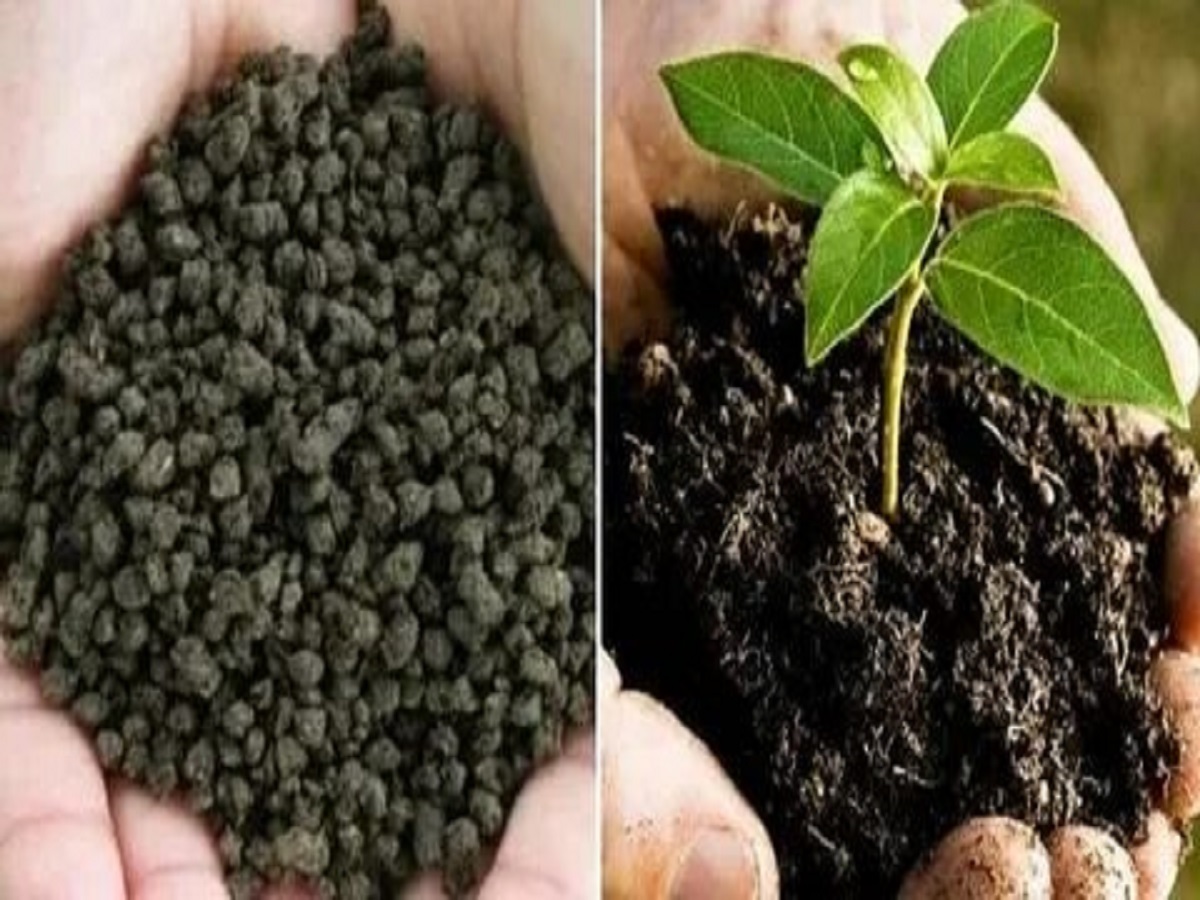
Biofertilizers Market
Biofertilizer Market Valued at USD 2,545.45M in 2024, Expanding at 12.7% CAGR; Asia-Pacific Dominates, Led by Novozymes and Chr. Hansen
The biofertilizers market is expanding as growing adoption of sustainable and organic farming practices drives demand for eco-friendly solutions that improve soil health and crop productivity.”
LEANDER, TX, UNITED STATES, December 19, 2025 /EINPresswire.com/ -- According to DataM Intelligence, the Global Biofertilizer Market reached USD 2,545.45 million in 2024 and is projected to grow significantly to USD 6,624.54 million by 2032, expanding at a strong CAGR of 12.70% during the forecast period 2025–2032. Market growth is driven by the increasing adoption of sustainable and eco-friendly agricultural practices, along with rising awareness about soil health and nutrient efficiency. Biofertilizers contain living microorganisms such as bacteria, fungi, and algae that enhance nutrient availability, improve nutrient uptake by plants, and promote natural soil processes, making them an effective alternative to chemical fertilizers.— DataM Intelligence
The market is further supported by continuous product innovation and portfolio expansion by key manufacturers. For instance, in August 2023, Bionema Group Ltd. launched a new range of biofertilizer products in the United Kingdom targeting agriculture, horticulture, forestry, sports turf, and amenity applications. Mycorrhiza-based biofertilizers account for the largest share due to their ability to enhance root development and nutrient absorption. The Asia-Pacific region dominates the global market, supported by vast agricultural land and strong adoption of biofertilizers, with Australia emerging as one of the largest consumers owing to its extensive agricultural acreage.
Download your exclusive sample report today: (corporate email gets priority access): https://www.datamintelligence.com/download-sample/bio-fertilizers-market
Key Highlights from the Report:
The bio-fertilizers market is growing steadily as agriculture sectors adopt eco-friendly alternatives to chemical fertilizers to enhance soil fertility and sustainable crop production.
Increasing demand for organic farming practices and regulatory support for sustainable agriculture are key drivers of market expansion.
Major bio-fertilizer types include nitrogen-fixing, phosphorus-solubilizing, potassium-mobilizing, and other microbial formulations that support nutrient availability and plant growth.
The market is segmented across application sectors such as field crops, fruits & vegetables, turf & ornamentals, and others, reflecting broad utilization across agricultural systems.
Asia-Pacific is emerging as a high-growth region due to rising agricultural investment and strong adoption of bio-based inputs, while North America and Europe maintain significant shares supported by established organic farming markets.
Key Segments
By Microorganisms
Azotobacter holds a significant share as it enhances soil fertility through free-living nitrogen fixation and improves crop yield across cereals and vegetables. Azospirillum is widely adopted in cereal and grass crops due to its ability to promote root development and nutrient uptake. Cyanobacteria are increasingly used, particularly in paddy cultivation, for their role in biological nitrogen fixation and soil health improvement. Mycorrhiza is one of the fastest-growing segments as it enhances phosphorus uptake, water absorption, and stress tolerance in plants. Phosphate-solubilizing bacteria witness strong demand as they convert insoluble phosphorus into plant-available forms, reducing dependency on chemical fertilizers. Rhizobium remains essential for leguminous crops, significantly improving nitrogen availability and crop productivity. Other microorganisms, including zinc-solubilizing and potassium-mobilizing bacteria, support diversified biofertilizer formulations.
By Type
Nitrogen fixation dominates the market as nitrogen remains a critical nutrient for crop growth and yield enhancement. Phosphate-solubilizing biofertilizers show strong growth driven by the need to improve phosphorus efficiency and soil sustainability. Potash-mobilizing biofertilizers are gaining traction due to their role in improving plant vigor, disease resistance, and stress tolerance. Other types, including multi-strain and micronutrient-mobilizing biofertilizers, contribute to broader adoption in sustainable agriculture.
By Form
Liquid biofertilizers lead the market due to their higher microbial viability, longer shelf life, and ease of application through fertigation and foliar spraying. Granules continue to grow steadily as they offer uniform application and compatibility with mechanized farming practices. Powder forms maintain consistent demand due to cost-effectiveness and ease of storage and transportation. Other forms, including carrier-based and encapsulated formulations, support specialized agricultural requirements.
By Distribution Channel
Specialty stores dominate distribution as farmers rely on agricultural input retailers for product guidance and trusted recommendations. Hypermarkets and supermarkets hold a notable share, particularly in regions with organized retail presence. E-commerce is rapidly expanding, driven by increasing digital adoption, doorstep delivery, and access to a wider range of biofertilizer products. Other channels, including cooperatives and direct sales, support large-scale and institutional procurement.
By Crop Type
Cereals and grains represent the largest crop segment due to extensive cultivation area and high nutrient demand. Fruits and vegetables show strong growth as biofertilizers improve yield quality, shelf life, and nutrient content. Oilseeds and pulses benefit significantly from biofertilizers, particularly nitrogen-fixing and phosphate-solubilizing strains that enhance soil fertility. Other crop types, including plantation and ornamental crops, contribute to market expansion with increasing focus on sustainable farming practices.
Buy Now & Unlock 360° Market Intelligence: https://www.datamintelligence.com/buy-now-page?report=bio-fertilizers-market
Key Players
Novozymes | UPL | Chr. Hansen Holding A/S | Lallemand Inc. | IPL Biologicals | Katyani Organics | Peptech Biosciences Ltd.
Key Highlights
Novozymes – Holds a share of 24.1%: Global leader in industrial enzymes and biological solutions, driving sustainable agriculture through biofertilizers, biostimulants, and microbial-based crop enhancement products.
UPL – Holds a share of 18.7%: Strong presence in agricultural biologicals with an expanding portfolio of bio-solutions focused on crop protection, soil health, and sustainable farming practices.
Chr. Hansen Holding A/S – Holds a share of 16.4%: Specializes in microbial solutions and natural ingredients, leveraging strong R&D capabilities to support plant health, yield improvement, and sustainable agriculture.
Lallemand Inc. – Holds a share of 13.2%: Provides yeast- and bacteria-based biological products for agriculture, emphasizing soil health, plant nutrition, and stress tolerance.
IPL Biologicals – Holds a share of 10.6%: Key player in biofertilizers and biopesticides, with strong adoption in emerging markets and a broad product portfolio for crop productivity enhancement.
Katyani Organics – Holds a share of 9.1%: Focuses on organic inputs, biofertilizers, and biostimulants, catering to sustainable and organic farming systems.
Peptech Biosciences Ltd. – Holds a share of 7.9%: Develops microbial and enzyme-based agricultural biologicals supporting plant growth promotion and eco-friendly crop management solutions.
Regional Insights
• Asia-Pacific – 42% driven by "expanding agricultural activities, increasing government initiatives promoting sustainable farming, high demand for organic produce, and widespread adoption of biofertilizers to improve soil health and crop yield in major countries like India, China, and Southeast Asia."
• North America – 27% supported by "strong emphasis on sustainable agriculture practices, advanced farming technologies, high adoption of organic and eco-friendly inputs, and increasing awareness among farmers of the benefits of biofertilizers for soil fertility and yield enhancement."
• Europe – 23% fueled by "stringent regulations on chemical fertilizer use, growing organic farming sector, strong government and EU policies supporting soil health and sustainable agriculture, and rising consumer demand for environmentally responsible farming inputs."
• Latin America – 5% driven by "gradual agricultural modernization, increasing awareness of eco-friendly fertilizers, and growing interest in improving soil fertility and crop production through biofertilizer adoption."
• Middle East & Africa – 3% supported by "emerging focus on sustainable agriculture, expanding use of biofertilizers to combat soil degradation and low fertility, and increasing adoption of modern farming inputs in key agricultural regions."
Get Customization in the report as per your requirements: https://www.datamintelligence.com/customize/bio-fertilizers-market
Key Developments
November 2025: Biofertilizer manufacturers expanded their product portfolios to include microbial consortia tailored for improved nutrient uptake and soil health, responding to the growing demand for sustainable agriculture inputs.
October 2025: Agri-technology firms introduced enhanced biofertilizer formulations with encapsulation technologies designed to improve survival rates of beneficial microbes under field conditions and increase shelf life.
September 2025: Strategic partnerships were announced between biofertilizer producers and crop-protection companies to bundle microbial products with complementary biological solutions, supporting holistic crop health management.
August 2025: Government agricultural departments in multiple regions launched outreach programs to educate farmers on integrating biofertilizers with conventional fertilization practices to reduce chemical inputs and improve long-term soil fertility.
July 2025: Research consortia reported advances in next-generation nitrogen-fixing and phosphorus-mobilizing biofertilizer strains with enhanced performance in a wider range of soil types and climatic conditions.
June 2025: Distribution networks for biofertilizers grew through enhanced retail and e-commerce availability, improving access for smallholder and commercial farmers alike and supporting broader adoption.
Frequently Asked Questions (FAQs):
1. How big is the global biofertilizers market in terms of growth forecast?
The global biofertilizers market was valued at around US$ 2.55 billion in 2024 and is expected to grow significantly during the forecast period.
2. What is the projected CAGR for the biofertilizers market?
The market is projected to grow at a CAGR of approximately 12.7% during 2025–2032.
3. Which region currently holds the largest share of the biofertilizers market?
The Asia-Pacific region dominates the biofertilizers market, driven by increasing adoption of sustainable agricultural practices and supportive government initiatives.
Conclusion:
The global bio-fertilizers market is positioned for robust growth as agricultural practices increasingly shift toward sustainable, eco-friendly solutions that improve soil health and crop productivity. Rising awareness of the environmental impact of chemical fertilizers, growing demand for organic produce, and supportive government initiatives are driving adoption of bio-fertilizers across diverse farming systems.
Although challenges such as limited farmer awareness, variability in bio-fertilizer performance, and supply chain constraints persist, ongoing research, technological advancements, and broader distribution networks are enhancing product effectiveness and accessibility. Overall, bio-fertilizers are expected to become an integral part of modern agriculture, helping to boost yields, reduce environmental impact, and support long-term soil fertility on a global scale.
Related Reports:
1. Fertilizer Market
2. Fertilizer Mixtures Market
Sai Kiran
DataM Intelligence 4market Research LLP
+1 877-441-4866
email us here
Visit us on social media:
LinkedIn
YouTube
X
Legal Disclaimer:
EIN Presswire provides this news content "as is" without warranty of any kind. We do not accept any responsibility or liability for the accuracy, content, images, videos, licenses, completeness, legality, or reliability of the information contained in this article. If you have any complaints or copyright issues related to this article, kindly contact the author above.
